
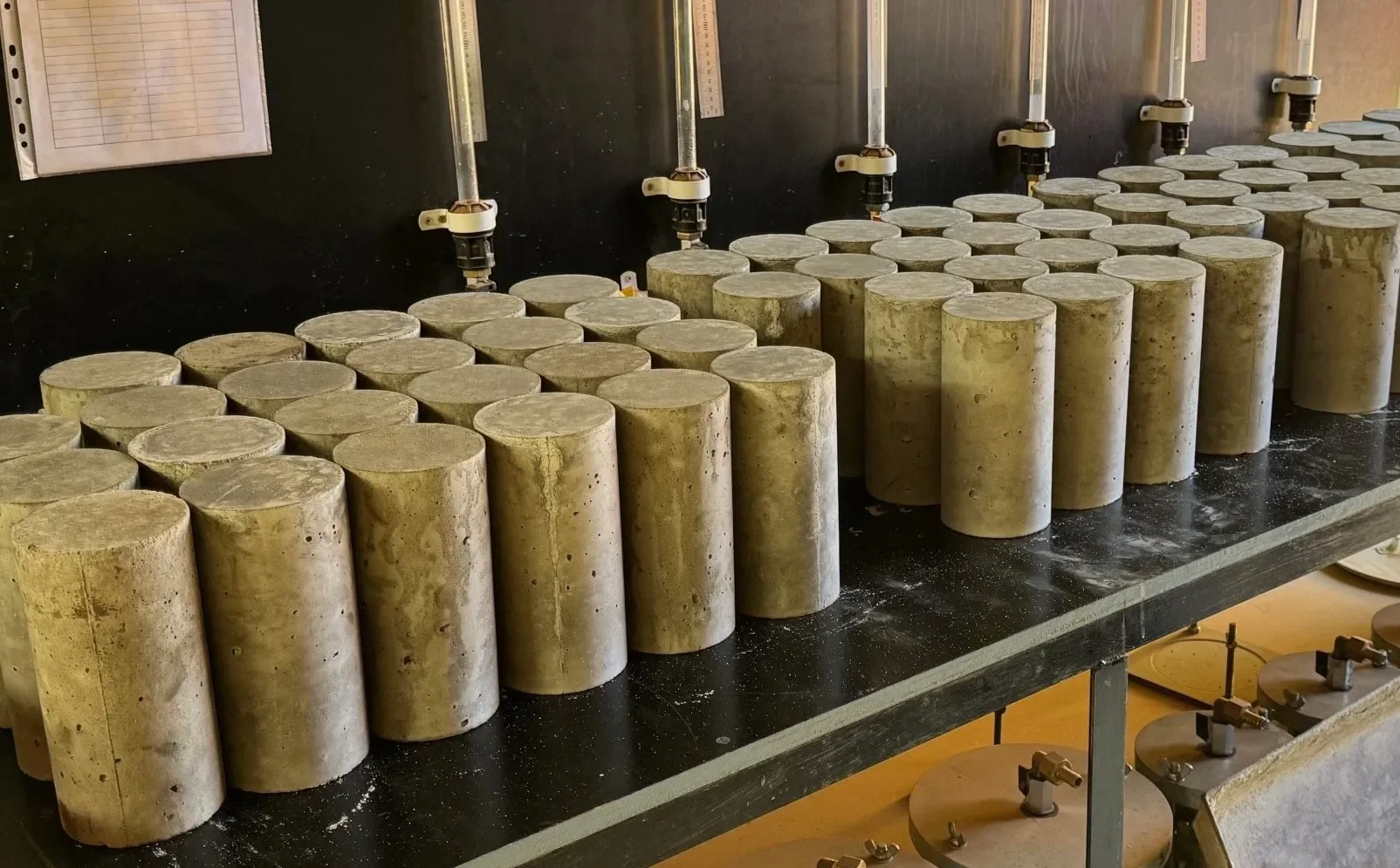
Concrete Compressive Strength Test

Compressive Strength Testing & Core Sampling Sydney
Verification of in-situ concrete strength in existing structures.
ConcreteX provides concrete strength testing and core sampling across Sydney and NSW to determine the actual compressive strength of in-place concrete. Through controlled concrete core testing and laboratory analysis, we provide verified data to support engineering decisions, compliance requirements, and structural capacity assessments.
Where project documentation is incomplete or existing slab strength is uncertain, concrete compressive strength testing provides measured material properties rather than assumptions.
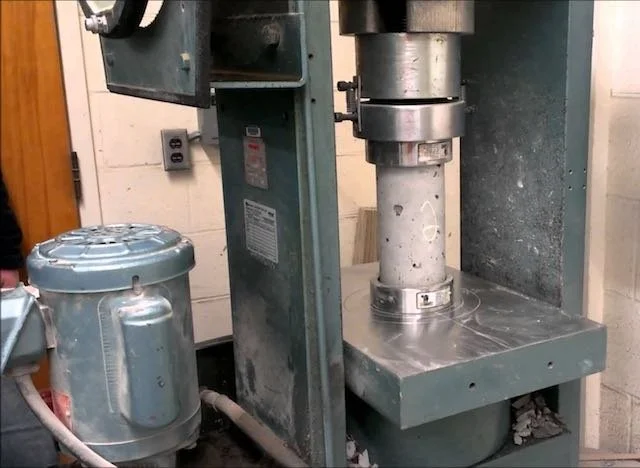
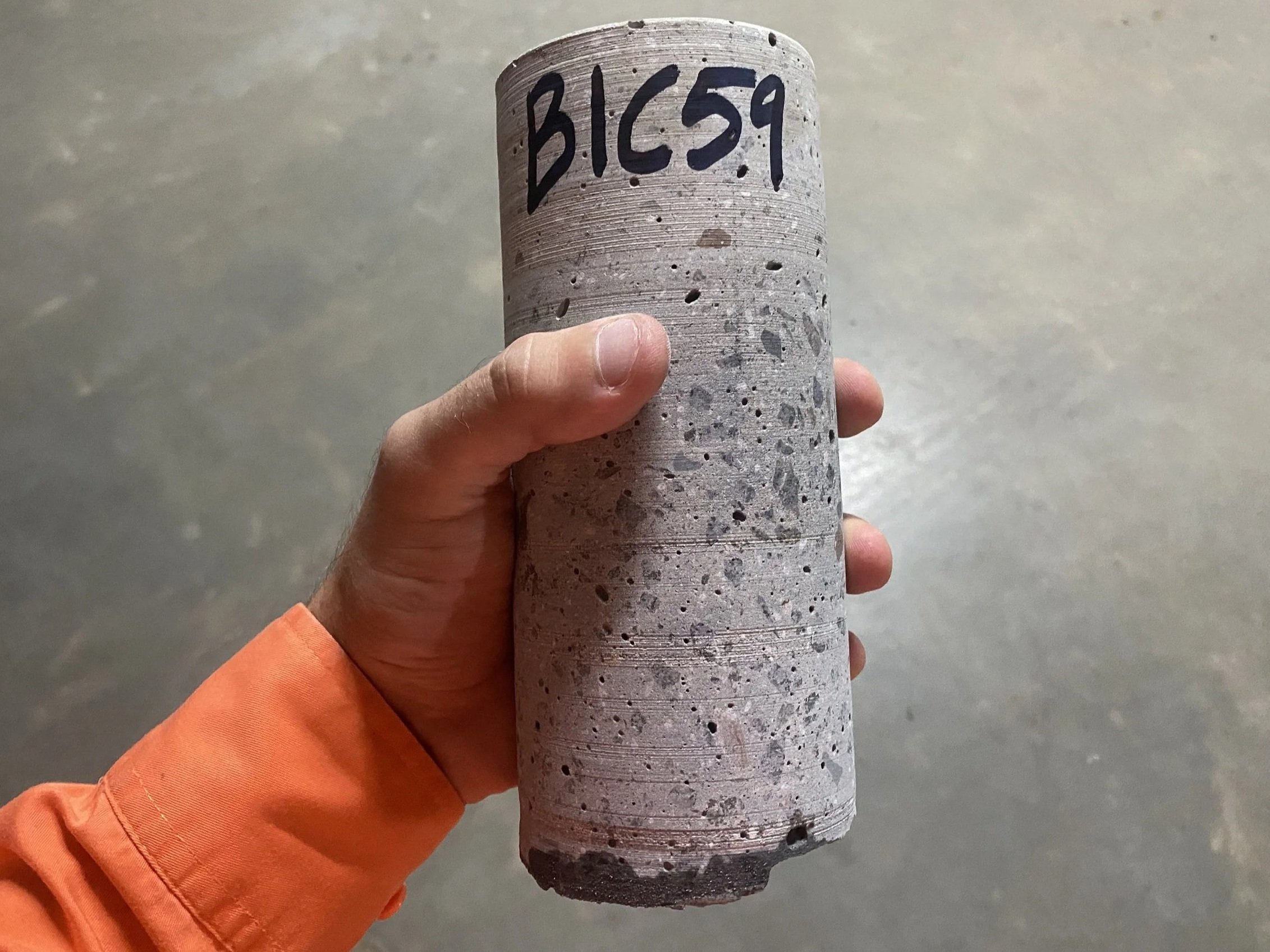
Why Compressive Strength Testing Matters
Concrete strength underpins the safety and reliability of every structure. Without proper testing, there is no guarantee that the concrete on site matches the intended design mix. By choosing compressive strength testing, builders, engineers, and asset owners gain verified proof of quality and confidence in the long-term performance of the structure.
Frequently Asked Questions - Concrete Strength Testing & Core Sampling
-
Concrete core sampling and compressive strength testing is typically required when the in-situ strength of an existing slab or structural element needs to be verified.
Common situations include:
Verification of existing slab strength
Change-of-use or load upgrades
Structural assessments of older buildings
Remedial investigations
Compliance with engineering specifications
Capacity confirmation where drawings are incomplete or unreliable
Concrete strength testing provides documented material properties to support structural calculations and risk management decisions.
-
Concrete core testing involves extracting cylindrical specimens from nominated locations within the structure.
Review of available drawings and structural information
Identification of suitable core locations
Targeted scanning to avoid reinforcement where required
Controlled extraction of core specimens
Transportation to a NATA-accredited laboratory
Compressive strength testing under calibrated loading equipment
-
Yes. Concrete core testing is a destructive testing method, as material is removed from the structure.
Core holes are patched after extraction. The number and location of cores should be determined in consultation with the project engineer to minimise structural impact while obtaining representative strength data.
-
The number of cores required depends on:
The size of the structural element
The purpose of testing
The level of confidence required
Project-specific engineering requirements
At ConcreteX, we work closely with the project engineer to test the required sample size to achieve representative results.
-
Core extraction is typically completed on-site within a day, depending on quantity and access.
Laboratory testing and reporting timelines depend on the testing program and project requirements. Expedited testing may be available where necessary.