GPR Concrete Scanning — Sydney & NSW

See What's
Inside Your
Slab

Before you drill, cut, or core — get a clearer picture of what may be in there. Advanced GPR scanning to help identify rebar, post-tension cables, conduits, and voids.

Fully Insured & Certified
24hr Report Turnaround
Sydney & NSW Wide
Enhanced GPR Technology
Structured Engineer Reports
Safe — No Radiation
Fully Insured & Certified
24hr Report Turnaround
Sydney & NSW Wide
Enhanced GPR Technology
Structured Engineer Reports
Safe — No Radiation

What Is
Concrete Scanning?

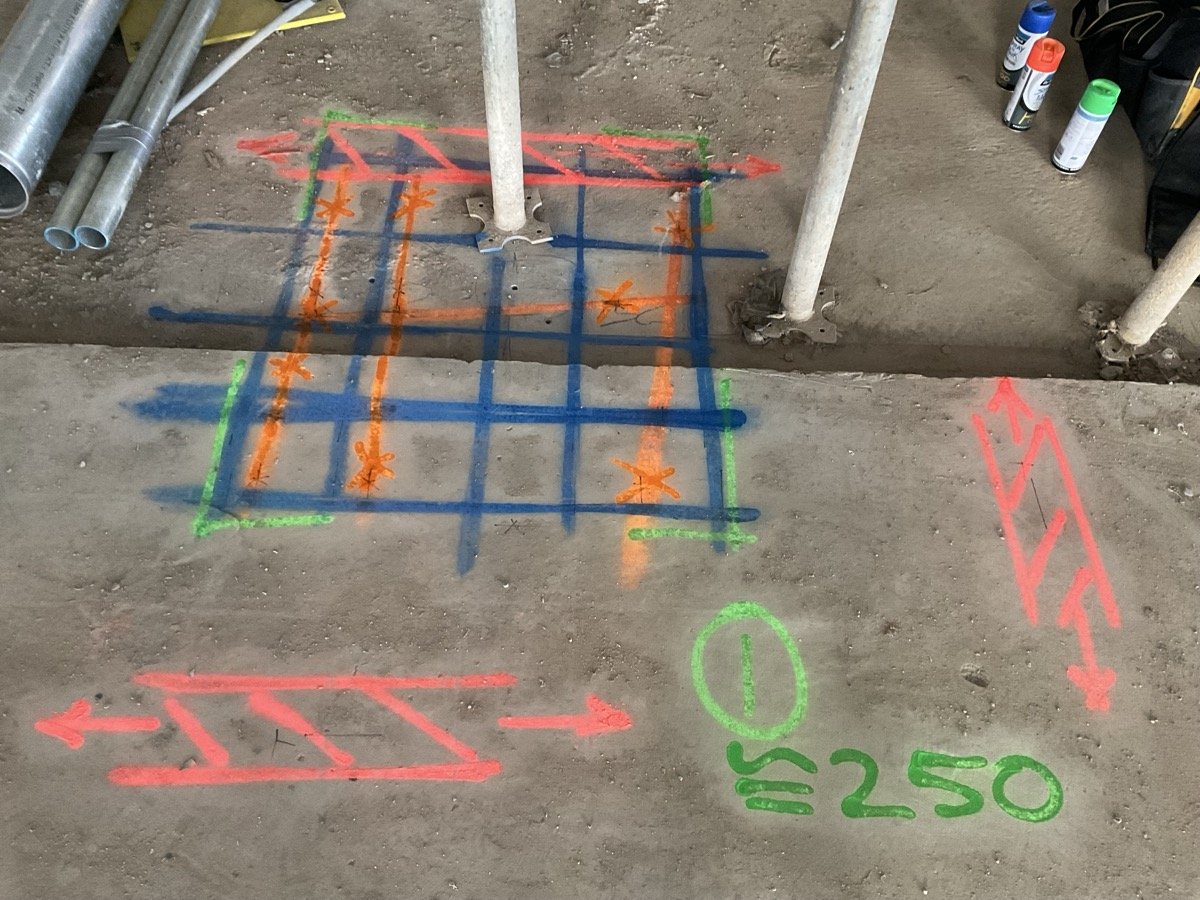
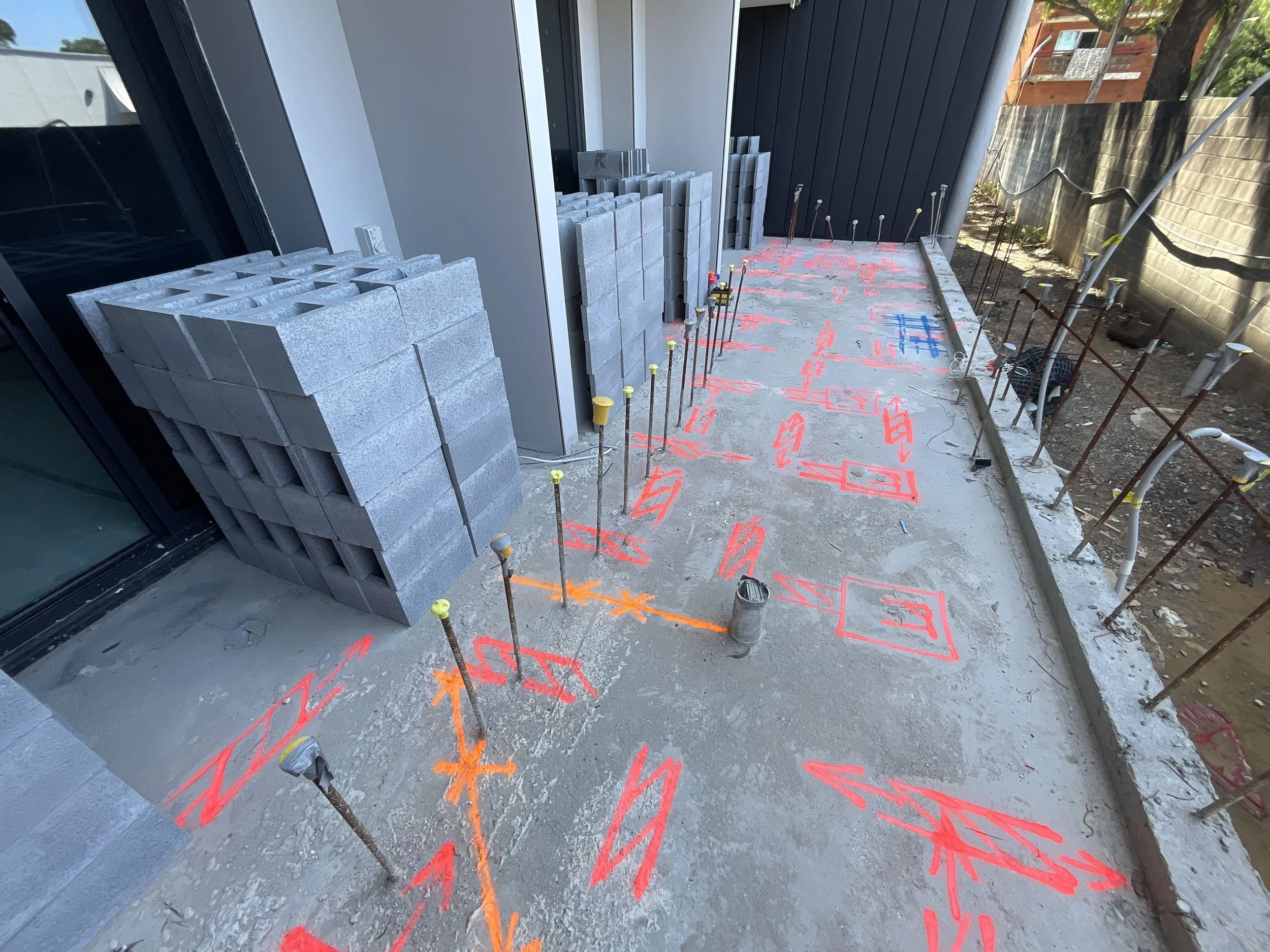
Ground Penetrating Radar (GPR) uses high-frequency radio waves to penetrate concrete and create a real-time picture of everything embedded within. Scans involve no radiation and can be carried out in occupied spaces with no site evacuation required.

ConcreteX uses enhanced GPR technology that goes beyond standard scanning. In many cases we can interpret through wire mesh, differentiate between conduit types, post-tension cables, and reinforcement — even in dense, congested slabs.

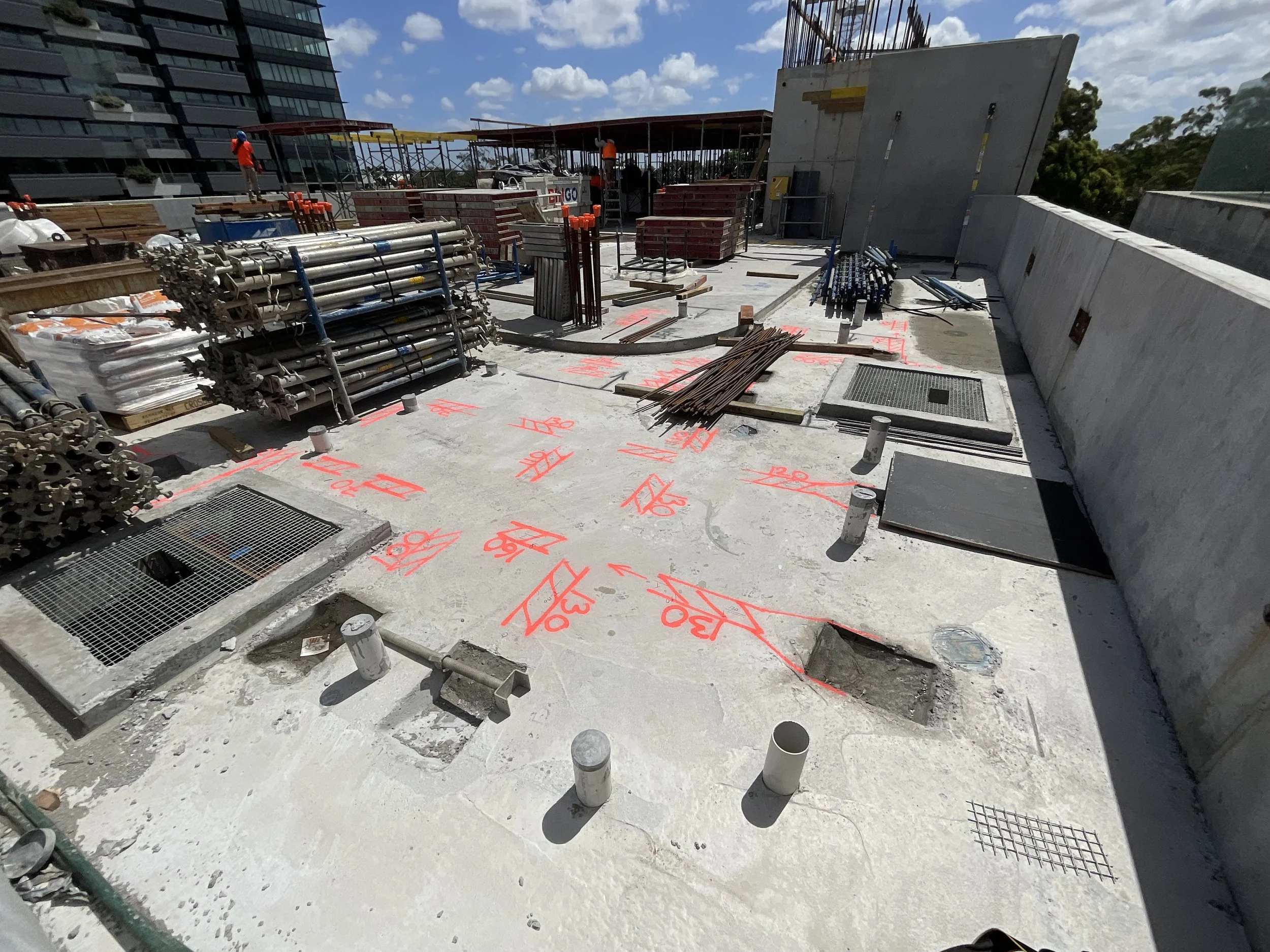
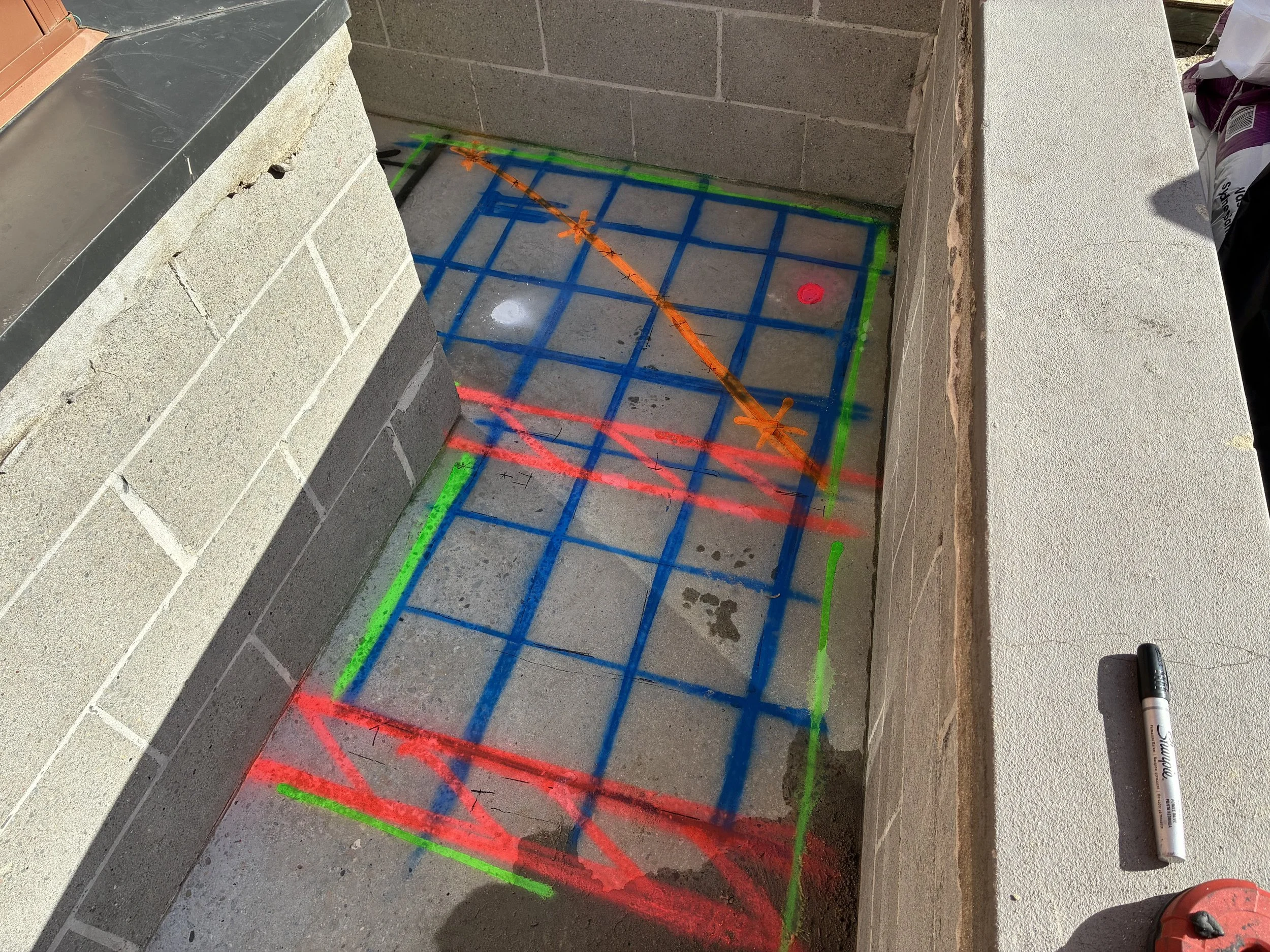
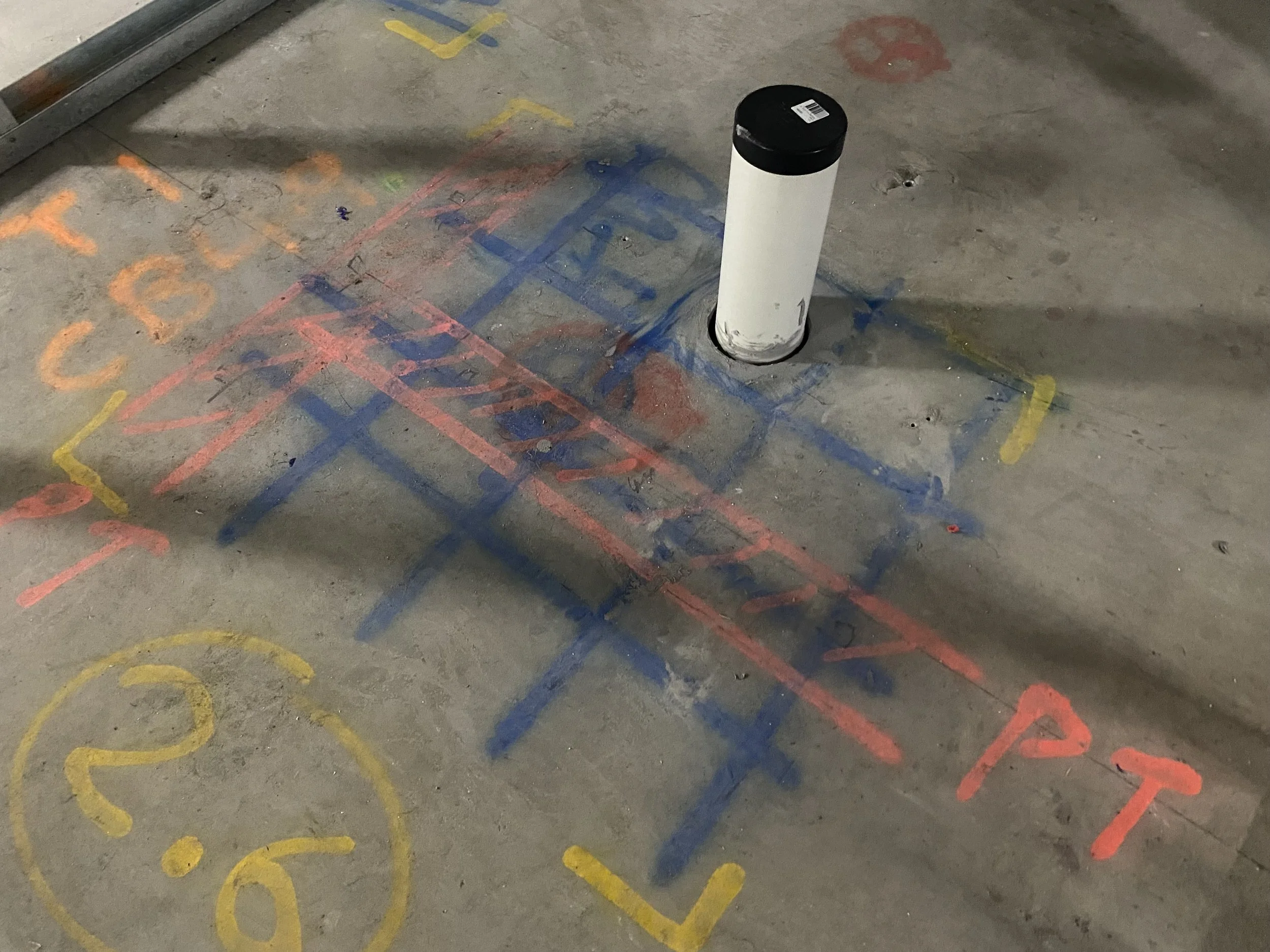
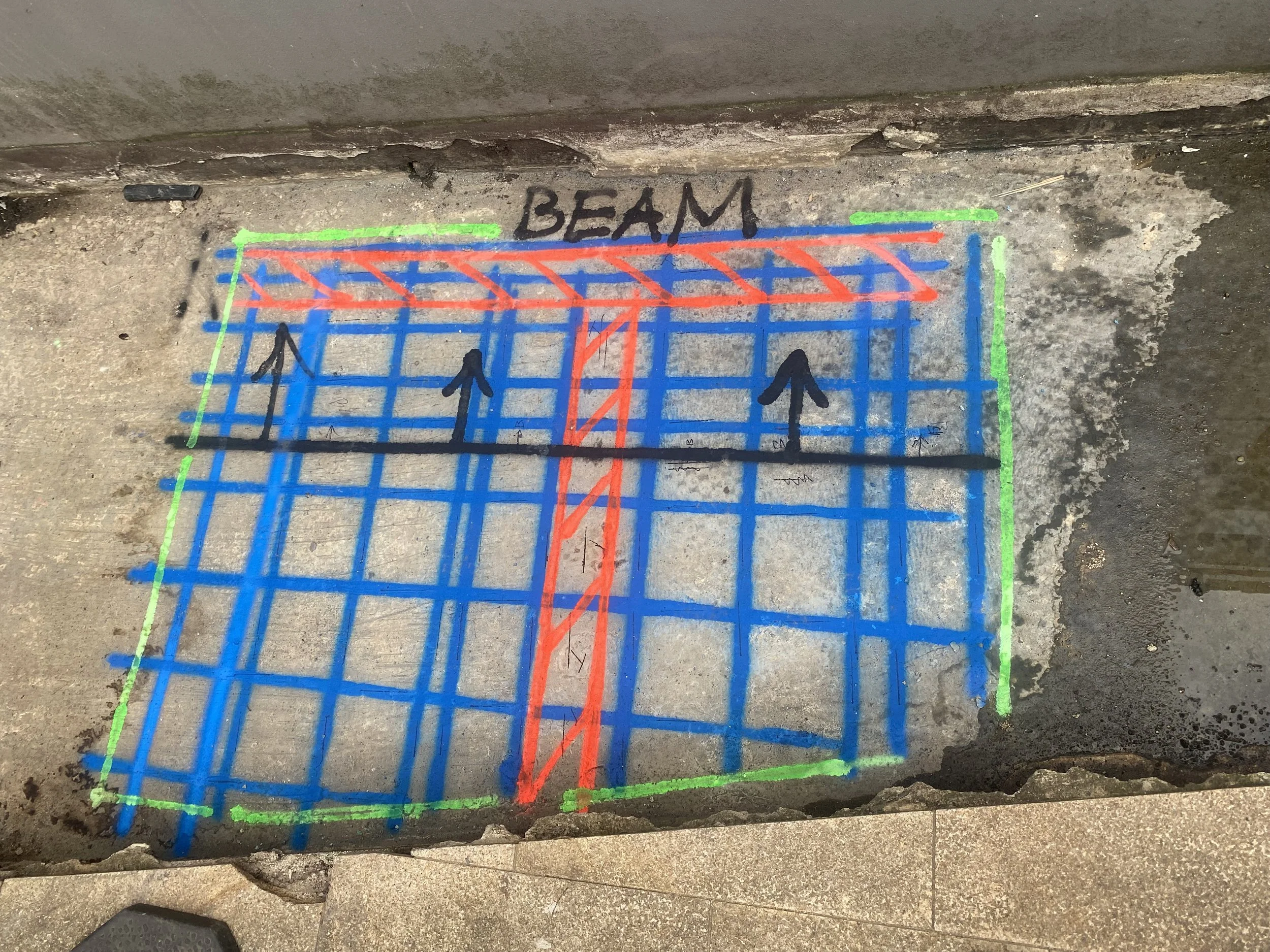
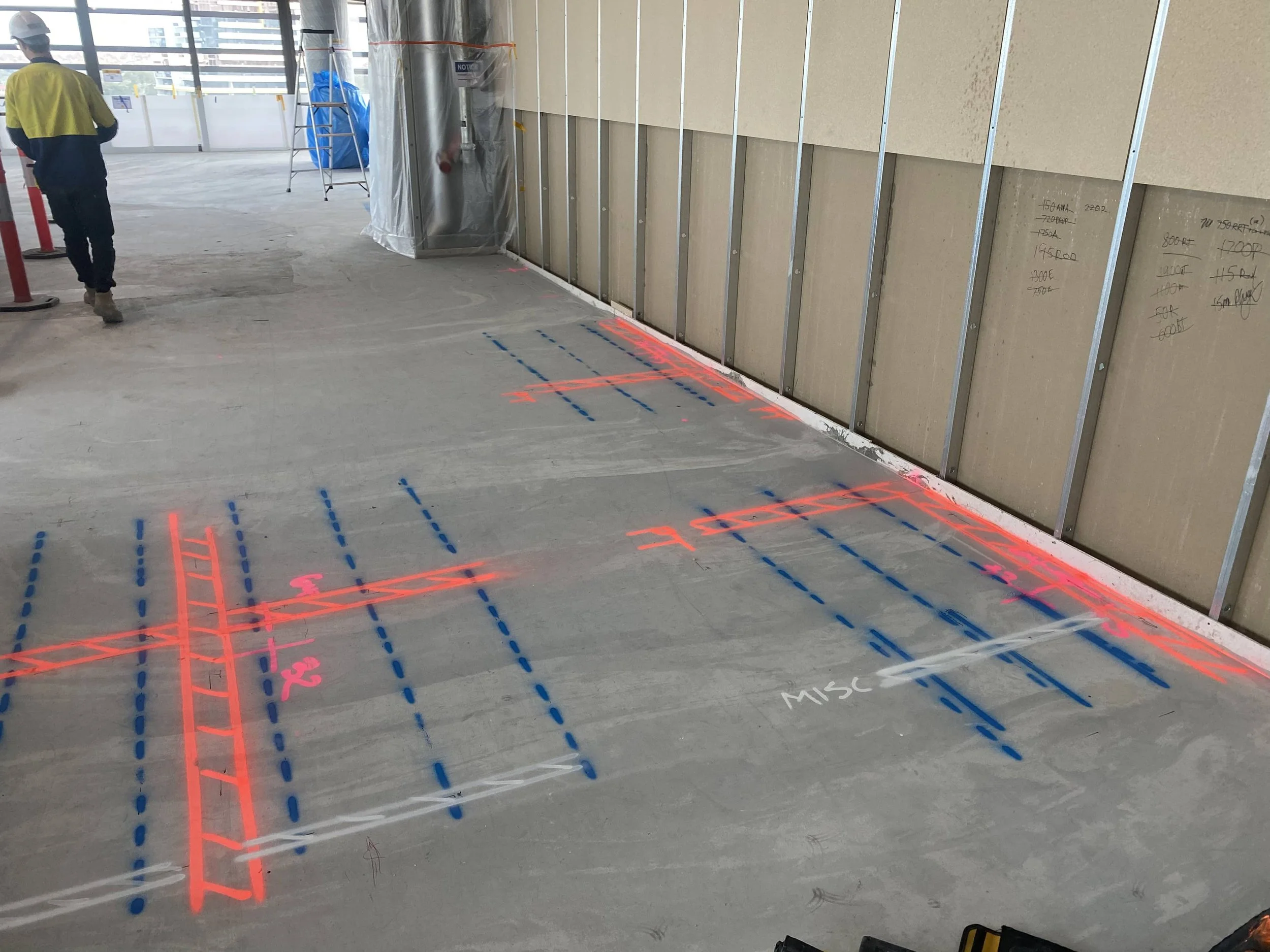
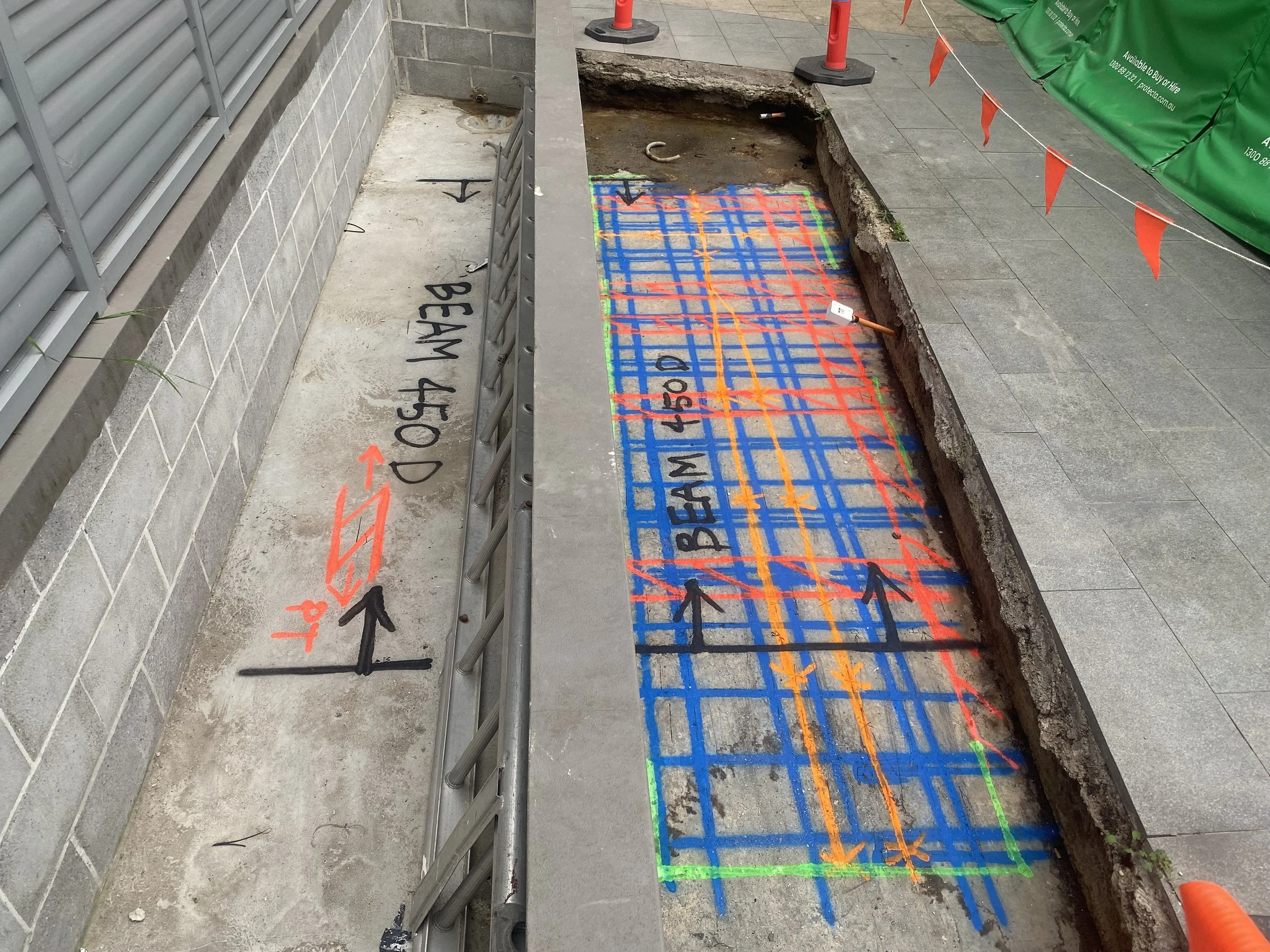
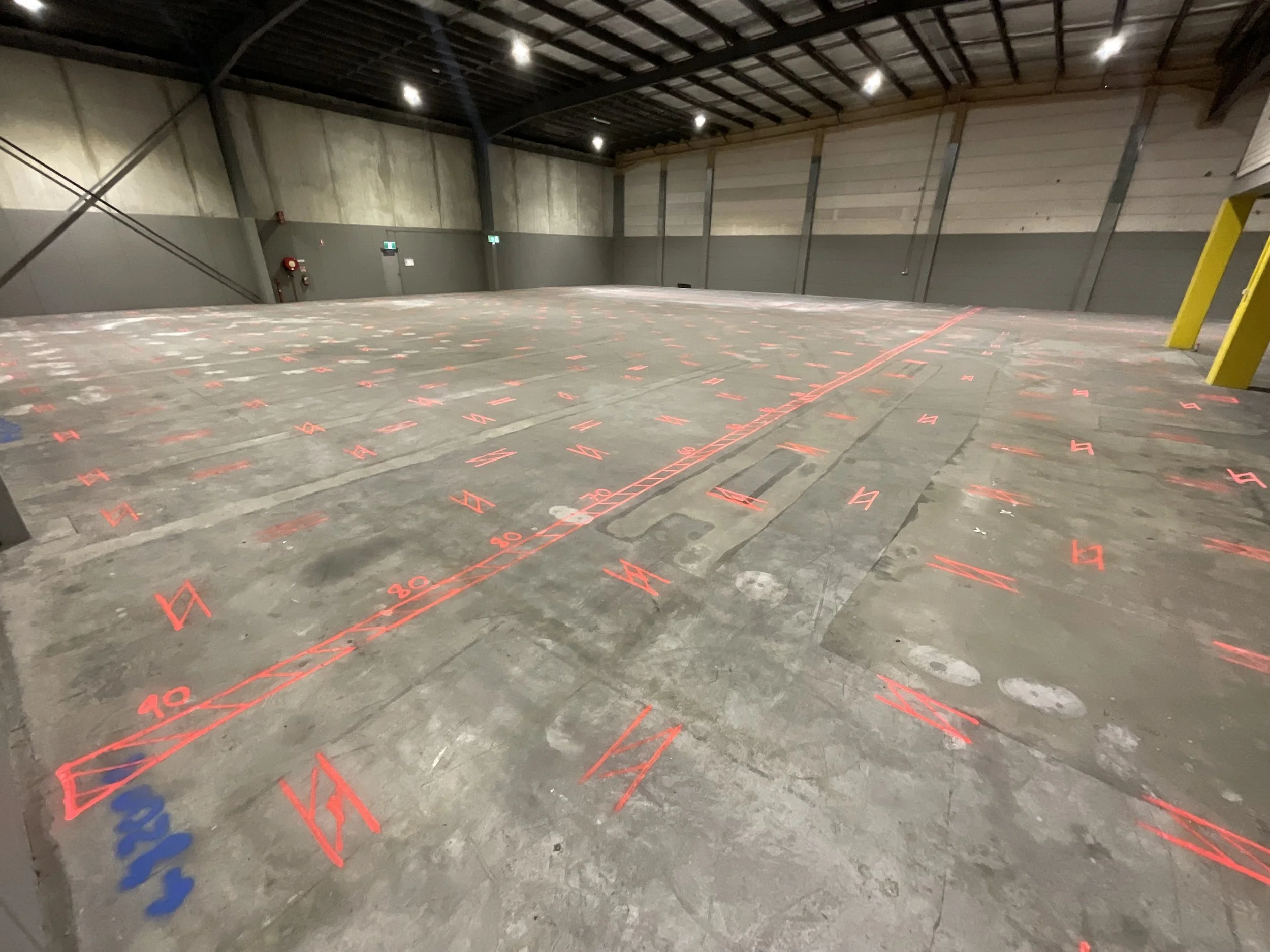
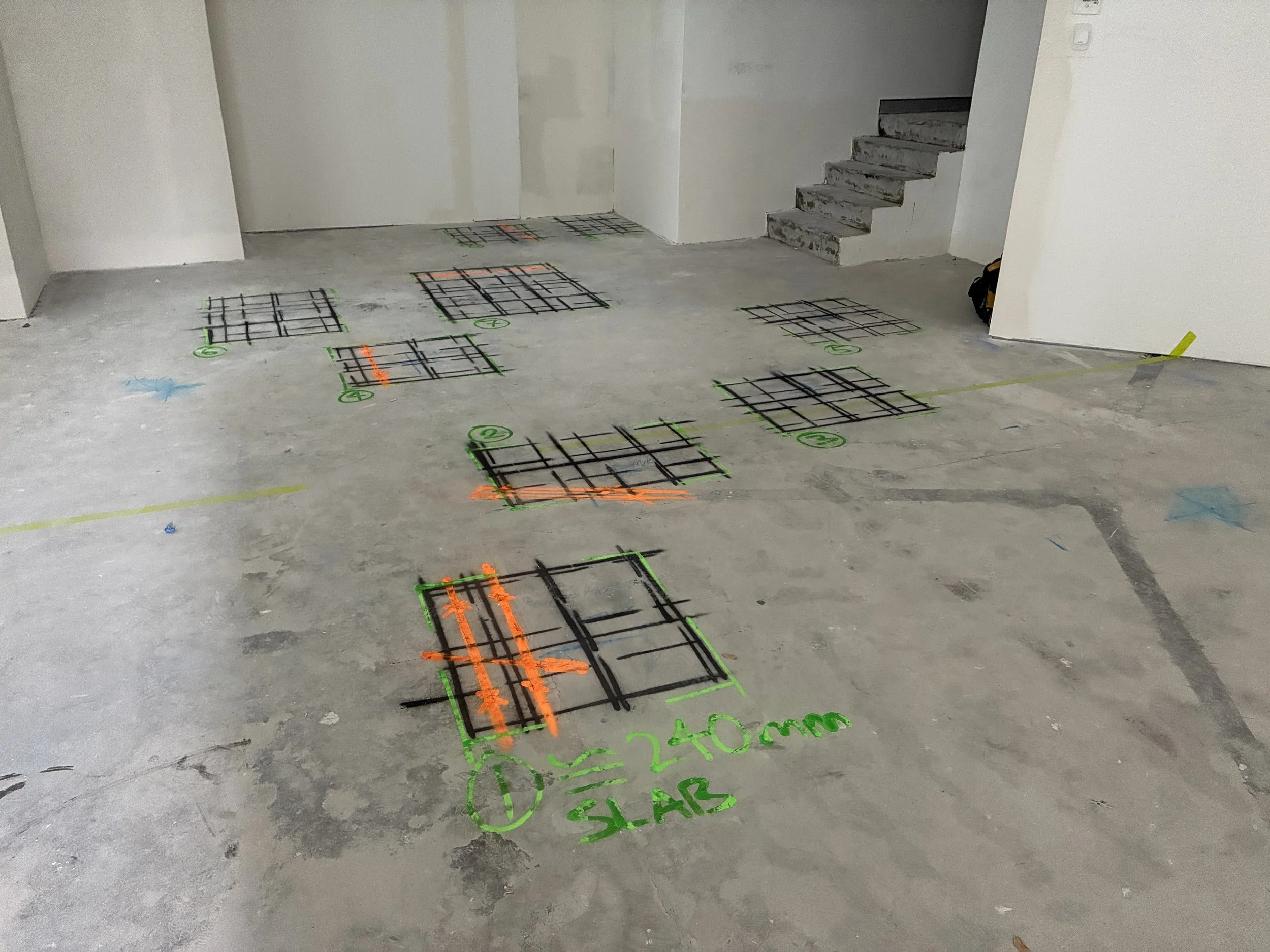
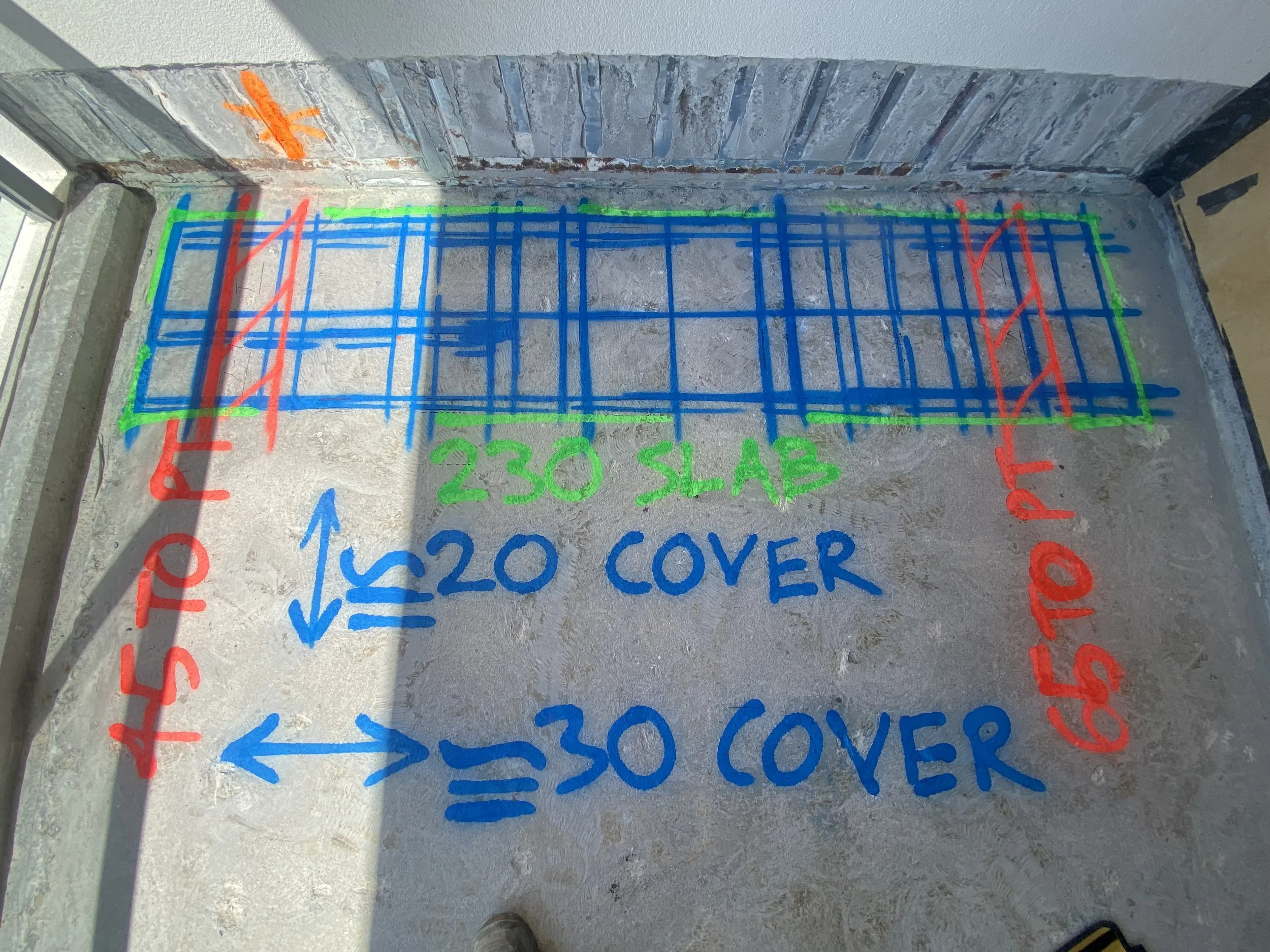
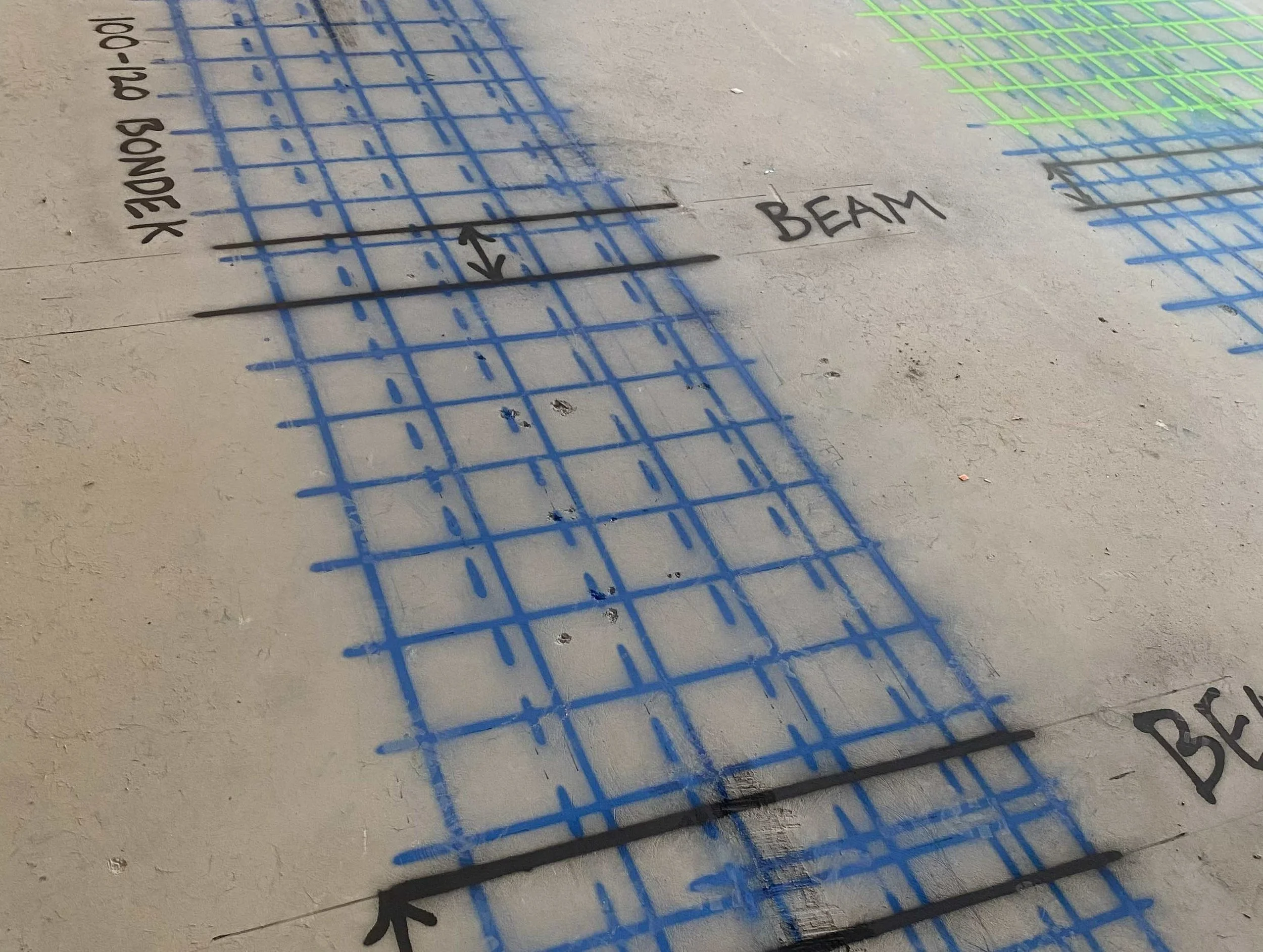
Results are marked directly on the slab surface on the day, with a structured report delivered within 24 hours.

Book a Scan
GPR scanning on a concrete slab

Project Gallery

Discuss Your Project →
GPR scan mark-up
GPR Scan Mark-Up
Slab mark-up Sydney
Slab Mark-Up — Sydney
PT cable location
PT Cable Location
On-site scanning
On-Site Scanning
Reinforcement mapping
Reinforcement Mapping
Pre-drill scan
Pre-Drill Scan
Core-drilling post scanning
Core-Drilling Post Scanning
GPR scanning in progress
GPR Scanning in Progress
Commercial fitout Sydney
Commercial Fitout — Sydney

What GPR Can Help
Identify Inside Concrete

From PT drape profiles and reinforcement layout to cover measurements and slab depth — GPR gives engineers and builders a clearer picture of what's inside before any work begins.

GPR SCAN DIRECTION CONCRETE SLAB COVER SPACING TOP REO BTM REO PT DRAPE PROFILE SLAB DEPTH
Post-Tension Cables
Reinforcement Bars
GPR Scan Pass
Post-Tension Cables & Drape
Locate PT cables and interpret their drape profile across a span. Useful for structural assessments, coring programs, and slab investigations where drawings are unavailable.
Reinforcement Layout & Cover
Map bar position, spacing, depth, and concrete cover. Where bar sizing is required, scanning identifies the location so bars can be exposed and physically measured.
Voids & Delamination
Identify air voids, sub-slab voids, and areas of delamination that may indicate structural issues or deterioration within the slab.
Conduits & Other Embedded Objects
Help identify conduits, services, structural inserts, anchor zones, and other anomalies — informing safer drilling and coring decisions.

Why Scan Before
You Drill or Cut?

Hitting a post-tension cable, live conduit, or rebar during drilling isn't just a setback — it's a costly emergency with serious safety and liability implications.

01
Severing Post-Tension Cables
Cutting a live PT cable can cause immediate structural failure and explosive energy release. Repairs alone can run to tens of thousands of dollars.
02
Striking Conduits or Services
Conduits and services within a slab can carry live power, data, or water. Striking one can cause immediate safety hazards, work stoppages, WHS investigations, and significant liability.
03
Damaging Hydraulic or Water Lines
Striking embedded pipes causes flooding, property damage, and project delays that far outweigh the cost of a pre-scan.
04
Structural Damage to Reinforcement
Cutting through load-bearing rebar without scanning can compromise slab capacity and may require costly engineering remediation.
Scan
First.

The cost of a scan is a fraction of one repair call-out. Repairing a severed post-tension cable alone can cost tens of thousands of dollars — plus project delays and potential liability.

Scanning before you cut is not optional on a well-run site. It's what separates builders who finish on budget from those who don't.

Book Today — 1300 310 179
Complex concrete slab construction site

Faster. Safer.
More Accurate.

Non-destructive, non-intrusive, and safe to use in occupied spaces — with results marked on the slab the same day.

Enquire Today

How It Works

Simple, fast, and non-destructive. From booking to marked slab in as little as a few hours.

01
Book & Brief
Call or email with your project details — slab type, area size, and what you're drilling for. We'll confirm availability and pricing promptly.
02
On-Site Scanning
Our technician arrives and scans using enhanced GPR equipment. Works on slabs, walls, and soffits with no disruption to site occupants.
03
Mark-Up On the Day
Interpreted objects are marked directly on the slab surface in spray paint and discussed on-site, giving your team a clearer picture of where to proceed with caution.
04
Structured Report
A detailed PDF report with scan imagery, findings, and recommendations is delivered within 24 hours — ready for engineers and project managers.

Common
Applications

01

Core Drilling & Penetrations

Before drilling core holes for services, HVAC, plumbing, or structural modifications — get a clearer picture of what may be in your path.

02

Anchor Installations

Confirm safe drilling positions for post-installed anchors, chemical anchors, and structural fixings without striking rebar or PT cables.

03

Fit-Out & Renovation

Commercial and residential fit-outs often require penetrations for partitions, fixtures, and services. Scanning helps reduce the risk of striking embedded objects.

04

Structural Investigations

When drawings are unavailable or unreliable, GPR scanning provides reinforcement layout, cover data, and PT profiles for engineer review.

05

Slab Cutting & Sawing

Diamond saw cutting through PT slabs without scanning is an extreme risk. Map all cables and reinforcement before any cutting begins.

06

Due Diligence & Compliance

Engineers and project managers use pre-scan reports to satisfy WHS obligations and document safe work method statements.

Frequently
Asked

How accurate is GPR concrete scanning?

GPR is accurate for locating embedded objects. Enhanced systems like those used by ConcreteX can resolve object positions to within a few millimetres laterally and within approximately 5–10mm in depth. Accuracy can vary in congested or heavily reinforced slabs, which we'll advise you about on the day.

How thick a slab can you scan through?

Standard GPR scanning is effective up to approximately 300mm depth in typical concrete. Where slab thickness exceeds this, we can scan from both sides where access allows to improve coverage. Depth capability can also be limited by slab density, moisture content, and reinforcement congestion.

How long does a scan take, and when will I get the report?

Scan time depends on area size but most jobs are completed in 1–3 hours on site. All detected objects are marked on the slab before we leave. A structured written report with scan imagery is delivered within 24 hours of the site visit.

Do you service areas outside Sydney?

Yes. ConcreteX services the greater Sydney region and broader NSW. For projects outside the Sydney metro area, travel fees may apply. Contact us to discuss your specific location and we'll confirm availability and pricing.

What format does the scan report come in?

All ConcreteX scanning reports are issued in PDF format and include a summary of findings, annotated scan imagery, detected object types and depths, and any relevant observations or cautions. Reports are structured for direct submission to engineers, builders, or project managers.

Can you scan walls and soffits as well as slabs?

Yes. GPR scanning is not limited to horizontal slabs. We regularly scan walls and soffits for anchor installations, penetrations, and structural investigations. Contact us with your specific requirements and we'll confirm the right approach for your application.

Don't Drill Blind.
Scan First.

Same-day or next-day scanning across Sydney and NSW. Fast quotes, clear on-site results, structured reports within 24 hours.