Sydney — Tested to AS 5216

Anchor
Pull-Out
Testing

Calibrated hydraulic testing with full engineering documentation. Proof that your fixings perform when it matters most.

Tested to AS 5216 & AEFAC TN-05
Calibrated Hydraulic Equipment
Certified Reports Issued
Fully Insured · ABN 164 984 913 07
NSW-Wide Service

More Than
Pass or Fail

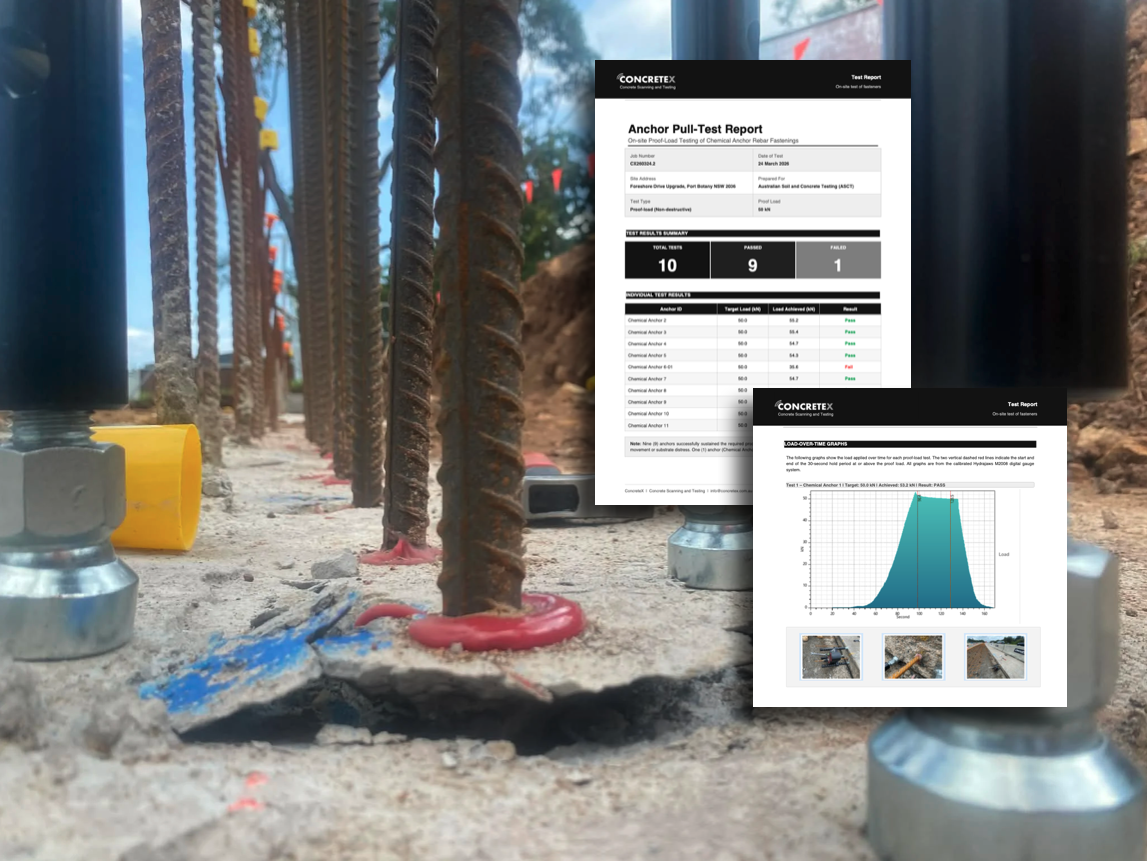
ConcreteX provides anchor pull-out and proof testing using calibrated hydraulic equipment and structured methodology — delivering clear, documented evidence that your anchors are installed correctly and compliant with safety and engineering requirements.

Whether you're a builder, structural engineer, or asset owner, our testing gives you the confidence to load with certainty. Every report is structured for engineering review and project documentation.

Book a Test
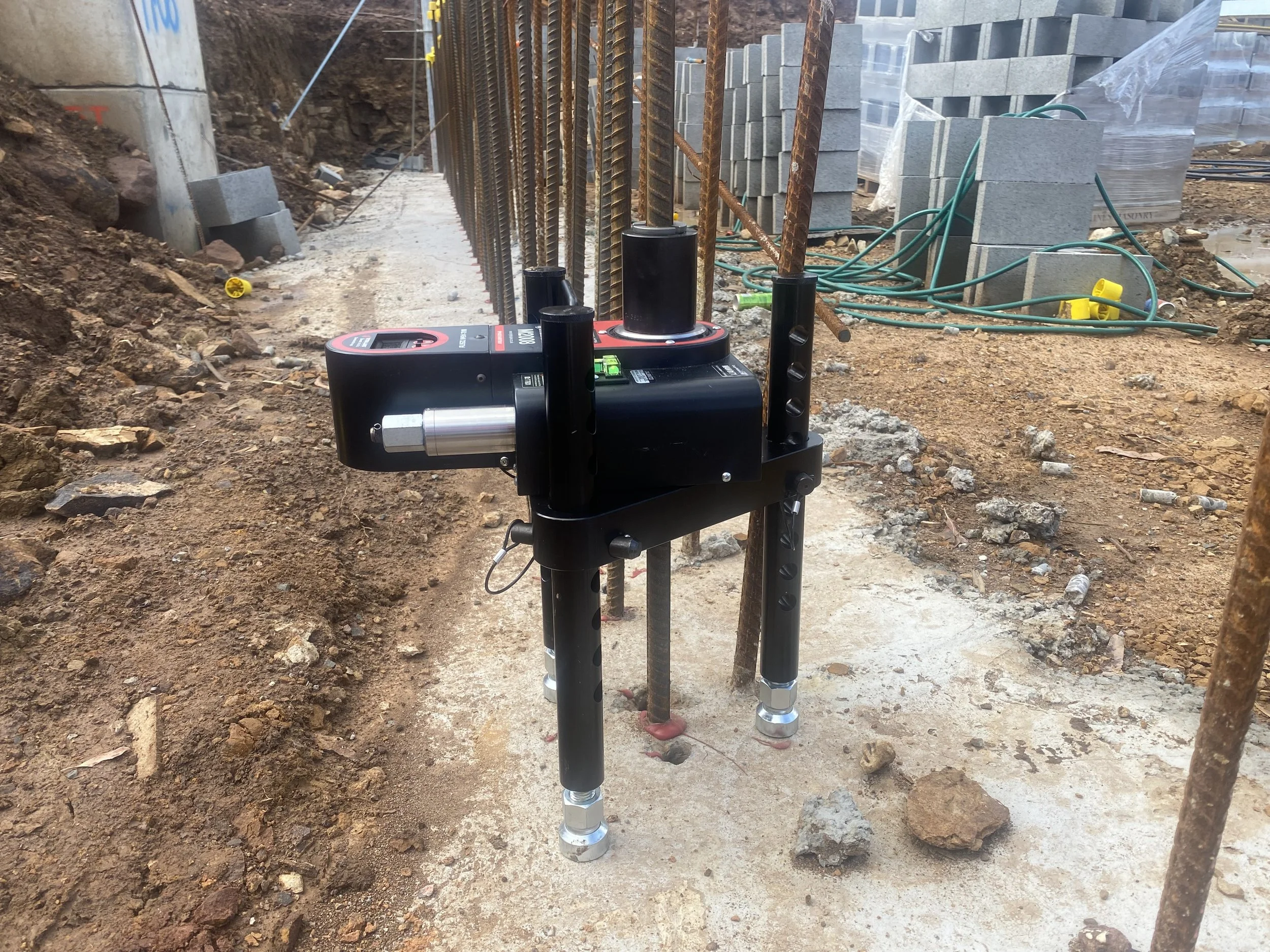
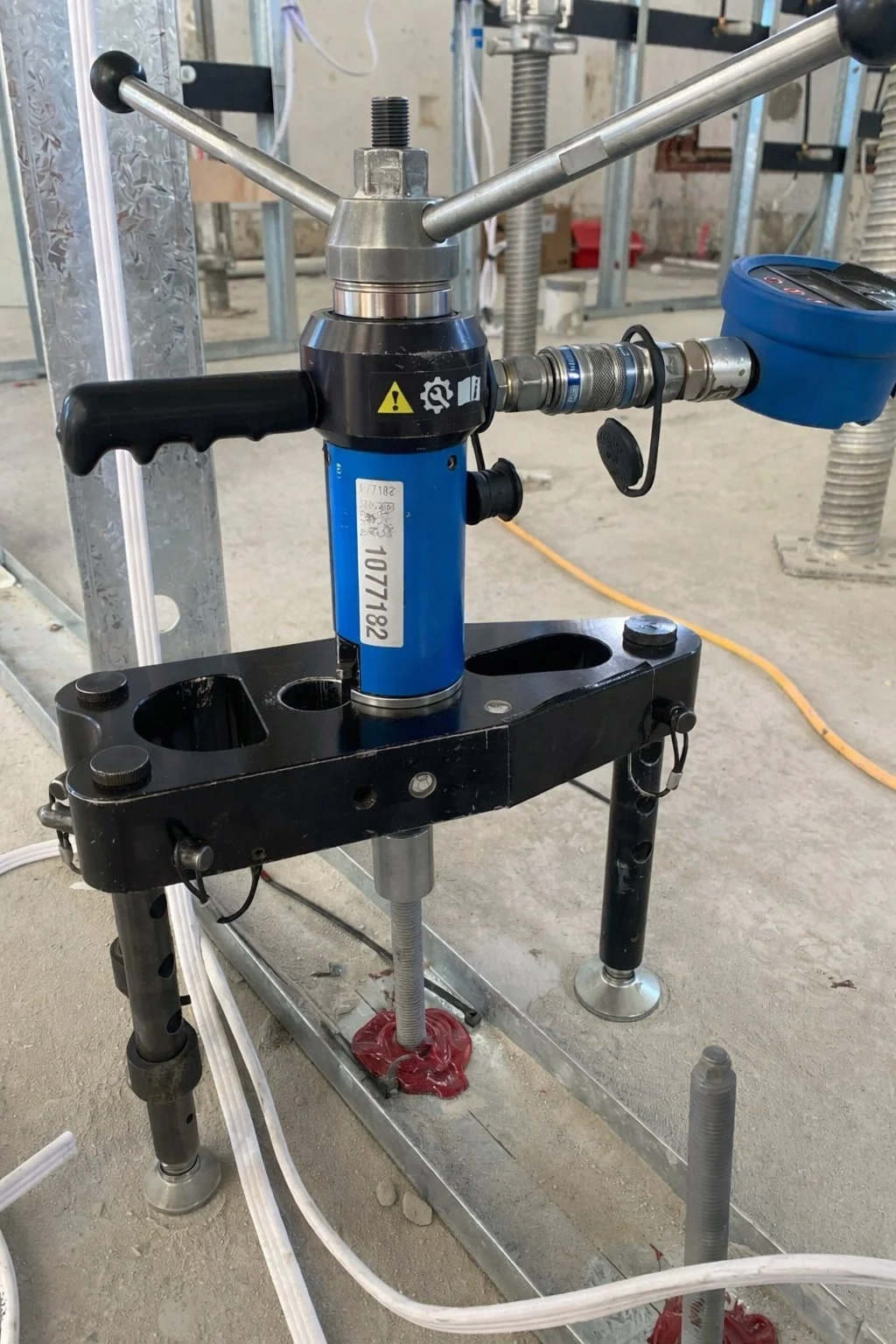
Anchor pull-out testing in progress
Testing Standards AS 5216:2021 AEFAC TN-05 NCC Compliant Calibrated Equipment Displacement Monitored

Common
Applications

01

Post-Installed Anchor Verification

Confirming anchor performance prior to loading — essential before structural elements are put into service.

02

Safety-Critical Fixings QA

Quality assurance testing of structural connections, guardrails, and life-safety anchor points where failure is not an option.

03

Incomplete Documentation

Capacity confirmation where original installation records are missing, incomplete, or unavailable for engineering review.

04

Remedial & Change-of-Use Works

Verifying existing anchors can handle new loads when a structure is being repurposed or upgraded.

05

Project Specification Compliance

Meeting contractual or engineering direction requiring proof testing before practical completion sign-off.

06

Façades, Plant & Structural Steel

Façade supports, mechanical plant fixings, structural steel connections, and post-fixed stair stringers.

Hydraulic anchor testing equipment on site

The Testing
Process

Step 01

Scope Definition

We establish the nominated test load, anchor type, base material, and acceptance criteria before any testing begins.

Step 02

On-Site Mobilisation

Our technician arrives with calibrated hydraulic pull-testing equipment suited to your anchor type and load requirements.

Step 03

Incremental Load Application

Load is applied incrementally via hydraulic equipment, with displacement monitored and recorded throughout the test sequence.

Step 04

Certified Report Delivery

Results are assessed against nominated criteria. A structured report is issued, ready for engineering review and project records.

What's in
Your Report

Anchor Type & Location

Full details of each tested anchor including position, type, and diameter.

Applied Test Loads

Documented loading sequence with incremental values and hold periods.

Measured Displacement

Displacement recorded throughout the test for full traceability.

Pass/Fail Assessment

Clear determination against the nominated criteria specified in scope.

Assumptions & Limitations

Transparent documentation of testing conditions and any applicable limitations.

Anchor Test Report
ConcreteX · Sydney NSW · AS 5216:2021
✓ Certified
Anchor IDTest LoadDisplacementResult
A-0125.0 kN0.3 mmPASS
A-0225.0 kN0.4 mmPASS
A-0325.0 kN2.1 mmFAIL
A-0425.0 kN0.2 mmPASS
A-0525.0 kN0.3 mmPASS

Recent Projects

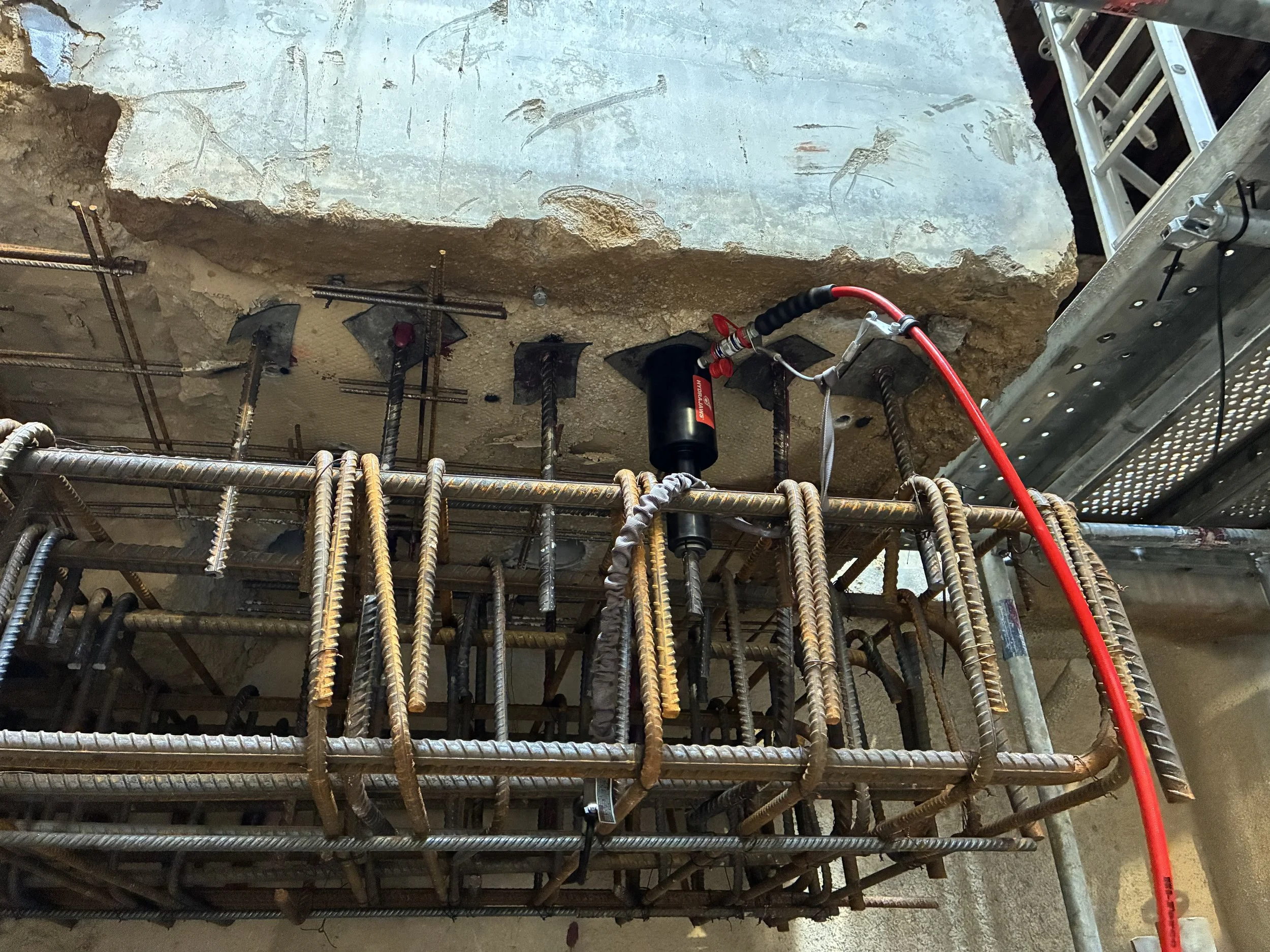
Post-installed rebar testing
Post-Installed Rebar Testing
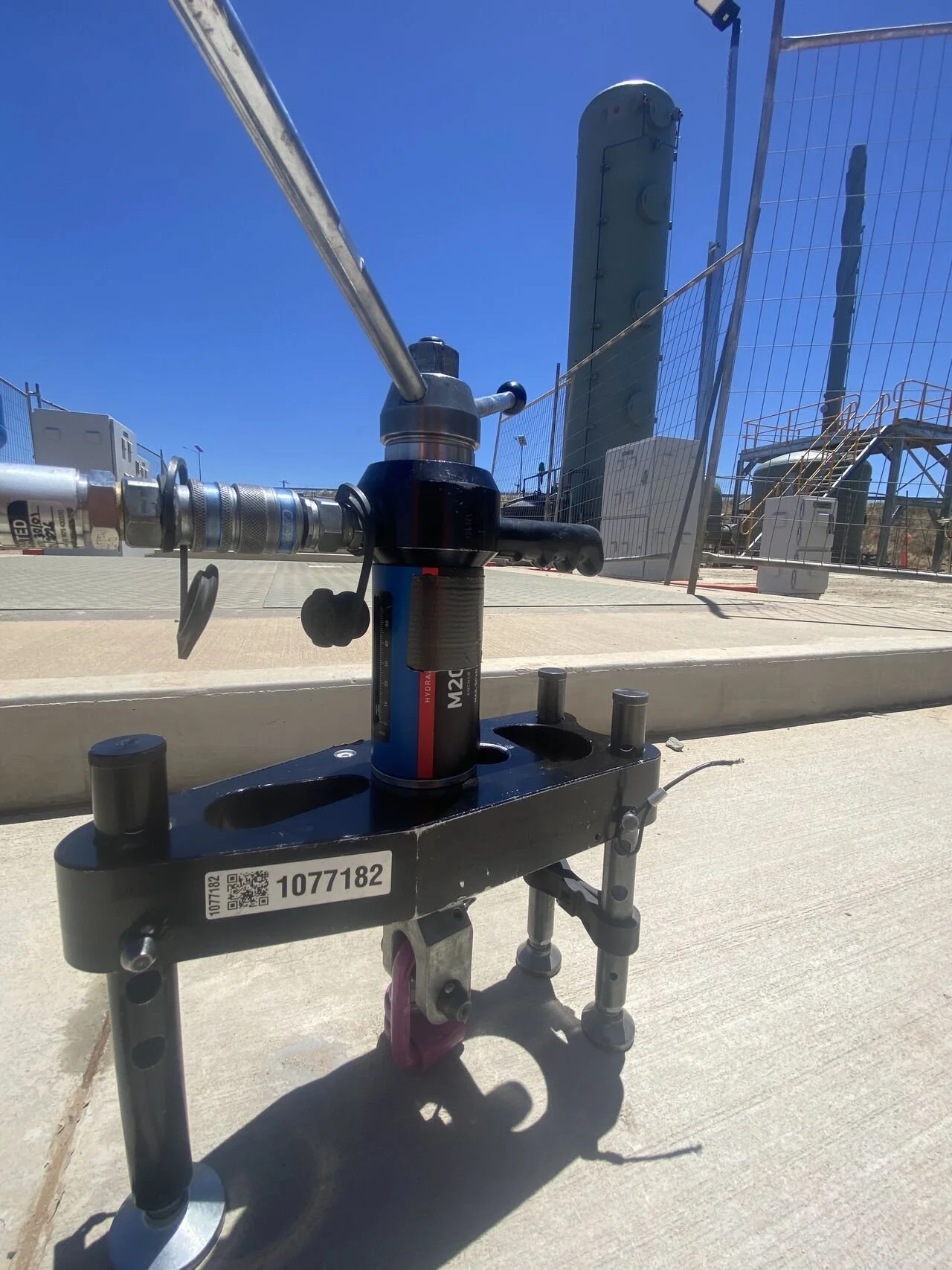
Industrial plant anchor testing
Industrial & Plant Testing
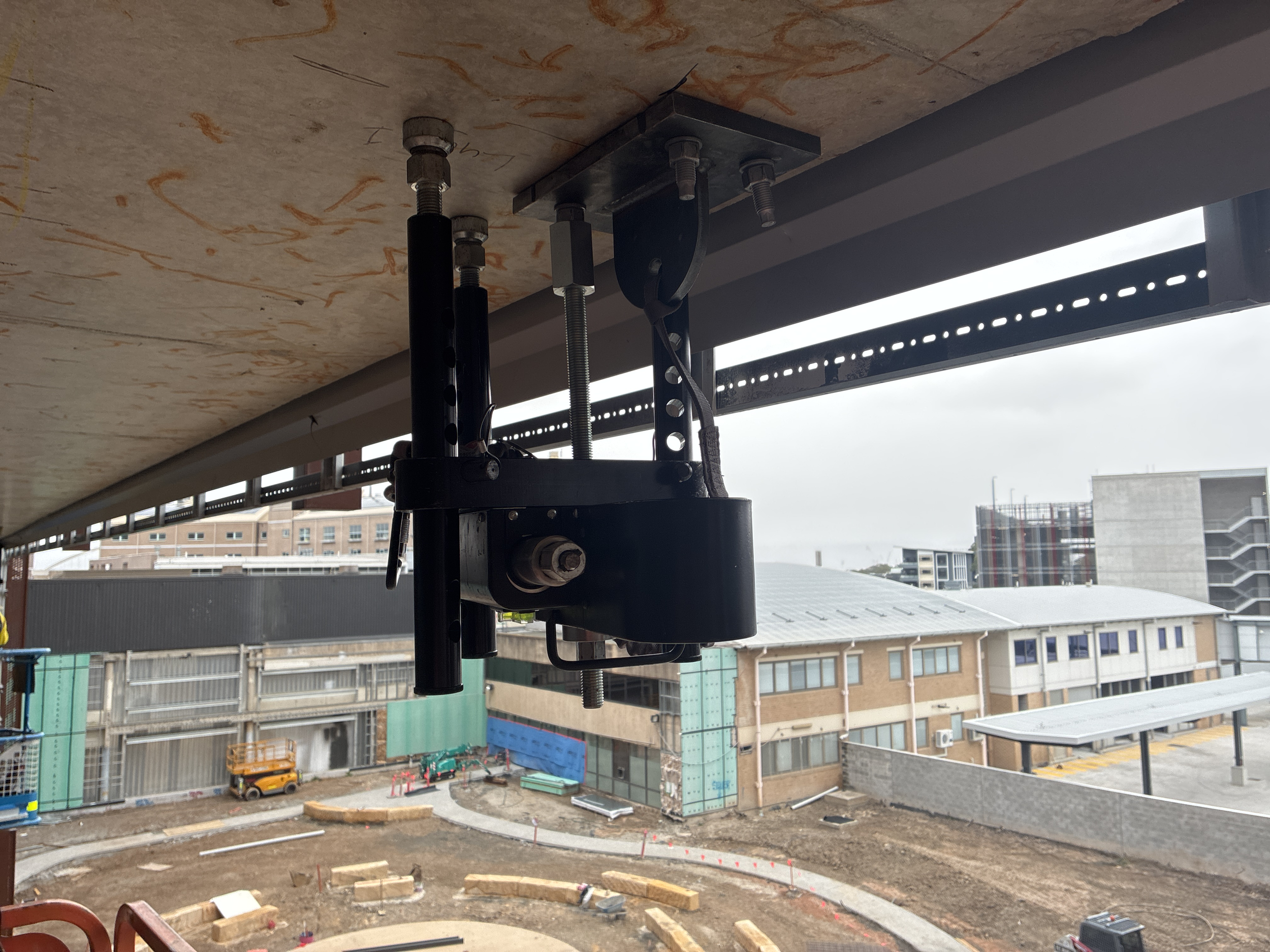
Facade anchor testing Sydney
Façade & Building Testing
Certified anchor test report
Certified Documentation

Built for
Every Stakeholder

Builders and contractors on site

Builders & Contractors

Reduce your liability and satisfy project specifications with certified proof that your installed anchors achieve the required load — before the engineer signs off.

Structural engineer reviewing plans

Structural Engineers

Receive a full structured report to review, reference, and include in your project documentation. All testing aligns with AS 5216 and AEFAC TN-05.

Asset owner and facility manager

Asset Owners & Facility Managers

Verify the integrity of existing fixings for ongoing operations, change-of-use, or due diligence during acquisition or handover.

Project manager on site

Project Managers & Specifiers

Book testing at key project milestones to satisfy compliance requirements and keep your programme on track without surprises.

Frequently
Asked

What is anchor pull-out testing?

A controlled test where a calibrated load is applied axially to a post-installed anchor to verify it achieves the nominated test load without excessive displacement or failure. Results confirm correct installation and compliance.

What Australian standards apply?

Testing is conducted in accordance with AS 5216:2021 (Design of Fastenings in Concrete) and AEFAC Technical Note TN-05. These define the methodology, acceptance criteria, and reporting requirements.

What anchor types can you test?

We test a wide range of post-installed anchors in concrete and masonry, including chemical anchors, expansion anchors, screw anchors, threaded rod, and reinforcing bar. Contact us with your specific requirements.

How quickly can I get a report?

Reports are typically issued promptly after testing, structured for immediate engineering review and inclusion in project documentation. Ask us about turnaround when booking.

What happens if an anchor fails?

The failure is documented in the report with load and displacement data. Our other services — including concrete scanning and core drilling — can assist with diagnosis and remediation planning.

Do you service outside Sydney?

Our primary service area is Sydney and surrounds. Contact us directly for regional NSW projects and we'll confirm availability for your location.

Ready to Get
Your Anchors Tested?

Fast mobilisation across Sydney. Talk to us about your project requirements today.